The Right Diesel Performance Parts Balance Pulling Power With Daily Reliability
357 Views
More power is appealing when a diesel truck struggles with a loaded trailer, steep grades, or slow acceleration into traffic. However, a performance upgrade that produces impressive numbers on a test sheet may not be the best choice for a truck that also handles commuting, errands, and regular work. The strongest setup is usually the one that improves usable pulling power without creating new reliability problems.
For contractors, farmers, haulers, and recreational towers, that balance affects more than acceleration. It can influence fuel costs, transmission wear, exhaust temperatures, maintenance intervals, and the truck’s ability to complete a job without an unexpected repair.
Start With the Truck’s Actual Workload
A diesel used for occasional weekend towing has different needs from one that pulls equipment every weekday. Before selecting performance parts, consider the truck’s normal load, trailer weight, terrain, and operating conditions.
Read More : Why And How Is Buying a Reconditioned Engine a Better Option Than Purchasing a New One?
A truck that spends most of its time on flat roads may benefit from improved throttle response and low-end torque. A vehicle regularly climbing mountain passes may need a more carefully matched combination of airflow, fueling, cooling, and exhaust control. Simply adding the highest-output component available can create an imbalance elsewhere in the powertrain.
The engine is only one part of the system. Extra torque can place more stress on the transmission, driveshaft, differential, and cooling system. If those components are already worn, a performance upgrade may expose the problem sooner. A practical build accounts for the condition and capacity of the entire truck.
Match the Part to the Intended Result
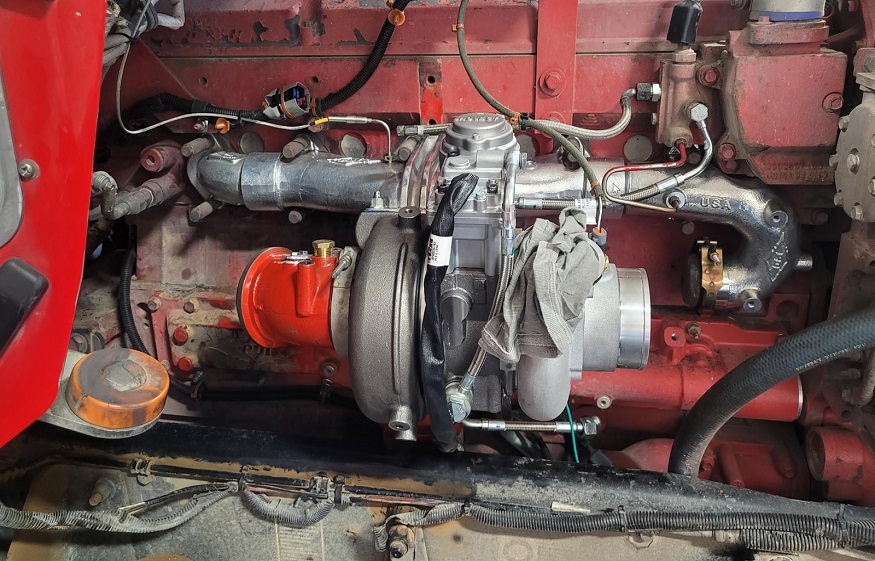
Different upgrades solve different problems. A properly matched turbocharger can improve airflow and reduce the strain associated with trying to make power through an undersized unit. A calibrated fuel system can support stronger output, but excessive fueling may increase smoke, heat, and operating costs. Improved intercooling and exhaust flow can help manage temperatures while supporting consistent performance under load.
The goal should be a noticeable improvement in the situations that matter most:
- More responsive acceleration with a trailer attached
- Better speed retention on grades
- Lower strain during sustained towing
- Consistent performance in hot or cold weather
- Reliable starting and drivability during daily use
A moderate, well-matched combination often delivers more value than a collection of aggressive parts that were selected independently.
Reliability Should Be Part of the Performance Plan
Daily reliability is not the opposite of performance. It is the standard that determines whether a modification is useful. A truck that makes more power but overheats, shifts poorly, or requires frequent repairs is expensive to operate, especially for a small business that depends on dependable transportation.
Before installation, inspect the basics. Check for oil leaks, cooling-system weaknesses, worn hoses, restricted air filters, and signs of turbocharger or injector problems. Maintenance issues should be addressed before adding power. Otherwise, it becomes difficult to determine whether a failure was caused by an existing condition or the new component.
Tuning also deserves careful attention. A calibration should match the selected hardware and the truck’s intended use. An aggressive tune may be unsuitable for a vehicle that spends long periods towing in summer heat. Conservative fueling and controlled exhaust temperatures can provide a better ownership experience, even if the peak dyno number is lower.
For owners comparing components, suppliers such as Parleys diesel performance can be part of the research process when the priority is finding diesel parts suited to a specific engine, vehicle,
Consider the Cost of the Wrong Upgrade
The cheapest part is not always the lowest-cost option. If an upgrade requires additional repairs, shortens transmission life, or increases fuel consumption, the initial savings can disappear quickly. Downtime may be even more costly for a contractor or fleet operator who cannot complete scheduled work.
A better purchasing decision includes installation, supporting modifications, tuning, maintenance, and likely service life. It also considers whether replacement parts remain available and whether the setup can be serviced by a qualified diesel technician.
Build for the Season Ahead
Performance needs often become obvious before a demanding season. Before summer towing, inspect cooling and charge-air systems. Before winter, confirm reliable starting, healthy batteries, and proper fuel-system operation. If a truck will begin hauling heavier loads in the spring, evaluate its transmission and drivetrain before increasing torque.
Read More : How Our Vehicle Finder Service Saves You Time (And Gets You the Car You Want)
The right diesel performance parts should make the truck more capable without changing it into a vehicle that is difficult to live with.